

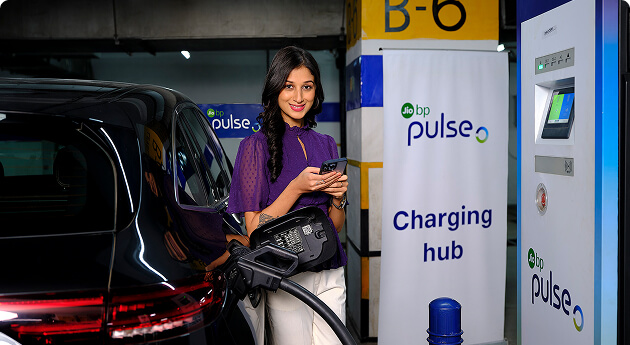
Thinking of switching to an electric vehicle? You’re not alone. With EVs becoming more affordable, efficient, and accessible, now is the perfect time to make the move. Our EV Buying Guide helps you understand everything you need to know before going electric — from choosing the right EV, comparing it with petrol or diesel vehicles, to understanding charging, savings, and maintenance.
Whether you’re buying your first EV or upgrading your current one, Jio-bp pulse is here to power your journey with confidence and convenience.
1. Why Consider an EV in 2025?
In 2025, electric vehicles offer lower running costs, zero tailpipe emissions, and government incentives. With fast-expanding charging networks and improved battery technology, EVs are becoming practical and future-ready options for Indian commuters. They’re cleaner, quieter, and smarter—making the switch a sustainable and cost-effective decision.
2. How to Choose the Right EV
Select an EV based on your daily travel distance, charging access, and budget. Compare battery range, charging speed, safety features, and after-sales support. Evaluate brand reliability and warranty coverage. Always calculate total ownership cost, not just the purchase price, to find the most practical choice.
3. How to Choose the Correct EV for You
Your perfect EV depends on your lifestyle. For city commutes, compact EVs work best; for frequent highway trips, choose one with a longer range and fast charging. Check comfort, tech features, and real-world reviews before buying. Prioritize trusted brands offering solid service networks and battery warranties.
4. What to Choose in 2025 — ICE or EV Vehicle?
In 2025, EVs are the smarter choice. They offer lower fuel and maintenance costs, strong government support, and eco-friendly performance. While ICE vehicles provide familiarity, rising fuel prices and emission norms make EVs the more economical, sustainable, and future-proof option for modern Indian drivers.
5. How Much Do You Save with an EV?
Owning an EV can cut running costs by nearly 70%. Electricity is cheaper than petrol or diesel, and maintenance expenses are minimal. Over five years, an EV owner can save lakhs through reduced fuel, servicing, and tax benefits, making it a financially sound investment.
6. How an Electric Vehicle is Different from a Traditional Vehicle
EVs run on electric motors powered by batteries instead of engines using fuel. They deliver instant torque, smoother acceleration, and minimal noise. With fewer moving parts, maintenance is simpler and cheaper. Plus, EVs produce zero tailpipe emissions—making them cleaner and more efficient than traditional vehicles.
7. How Long Does It Take to Charge an EV?
Charging time depends on the charger type and battery size. Home chargers typically take 6–8 hours for a full charge, while fast chargers at stations like Jio-bp pulse can power your EV up to 80% in just 30–45 minutes—ideal for quick top-ups during travel.
8. Are There Enough Charging Stations Nearby?
Yes, India’s charging infrastructure is growing rapidly. Networks like Jio-bp pulse offer fast chargers across highways, cities, and key locations. With thousands of operational stations and more coming up monthly, EV drivers can confidently travel without worrying about running out of charge.
9. Are EVs Suitable for Long-Distance Travel?
Modern EVs offer ranges of 300–500 km per charge, making long-distance travel feasible. Fast-charging networks like Jio-bp pulse ensure minimal downtime. With proper route planning and charging stops, EVs are increasingly becoming a reliable choice for intercity and highway travel.
10. What’s the Future of EVs in India?
India’s EV future looks bright, driven by innovation, affordability, and expanding charging infrastructure. With companies like Jio-bp pulse leading accessibility, EV adoption is accelerating. Longer ranges, faster charging, and supportive government policies make 2025 the ideal time to switch to electric mobility.
